Mining
Stakeholders challenge Government to back mineral value addition law with investment
November 12, 2026 / Jacqueline MONJEZA
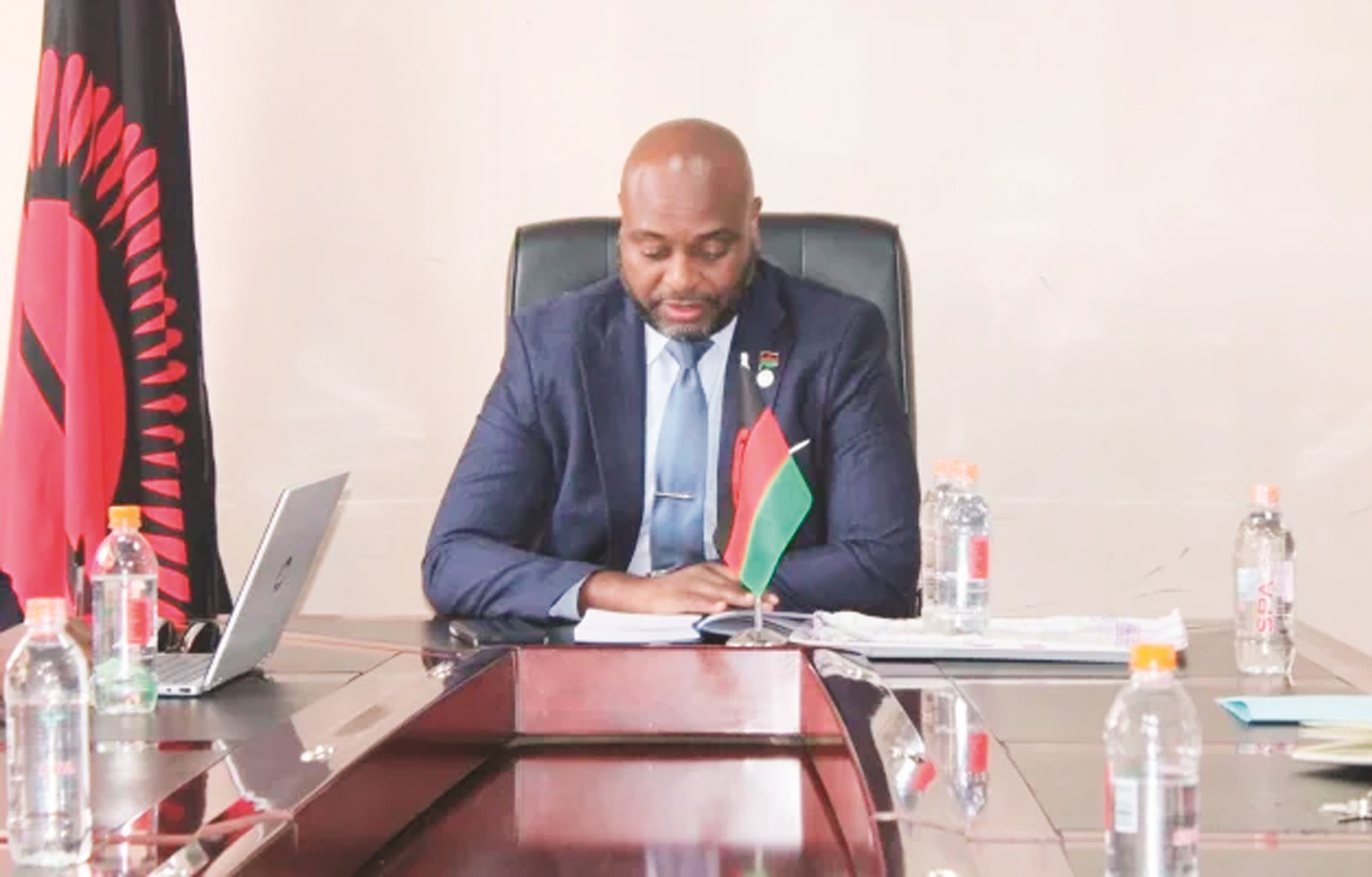
Stakeholders in Malawi’s minerals sector say the push to process minerals locally will only succeed if government addresses critical gaps in electricity, skills, investment incentives and the regulatory framework.
The concerns emerge as the Ministry of Mining consults industry players on proposed amendments to the Mines and Minerals Act, 2023, and draft Mines and Minerals Value Addition Regulations.
The Central Region meeting, held as part of a nationwide consultation process, brought together government institutions, mining companies, academia, industry associations and other stakeholders to scrutinize the proposed reforms and identify areas that could affect the growth of the sector.
While stakeholders generally welcomed the move to strengthen the legal framework and promote local processing, they said the reforms must go beyond changing legislation and create an environment where investors can establish and operate mineral processing facilities.
Secretary for Mining Rodwell Mzonde said the consultations are providing the Ministry of Mining with ideas on how the proposed legal and regulatory reforms can better support the growth of Malawi’s mining industry.
“We started consulting on September 29 in the South, then on October 1 in the North. We have collected a lot of views in the consultations which is assisting us to frame the Act in a way that will help in the growth of the mining sector,” Mzonde said.
President of the Malawi Women in Mining Association Ashley Simbeye said the reforms should also address the participation of women, wrning that skills and capacity gaps could prevent women from pursuing value addition opportunities.
“There are capacity and skills gaps, particularly among women in mining, and government needs to establish a supportive framework for value addition chain to ensure that women are not left behind”, Simbeye said.
President of the Chamber of Mines and Energy Maxwell Kazako said the review of the mining law is necessary because some gaps in the existing legislation create uncertainty and challenges in implementing mining projects.
He said the proposed changes therefore need to clearly define the expectations of government and investors particularly on issues that directly affecting mining operations.
“There is need for greater clarity in the proposed reforms to ensure that government and investors are on the same page.
Kazako said the proposed reduction in the allowable percentage of expatriate workers also requires careful consideration, arguing that Malawi’s mining industry is still developing and may not have sufficient local expertise for some specialized positions.
The discussion comes at a time when government is seeking to extract greater economic benefits from Malawi’s mineral resources through local processing, employment, skills development and increased participation of local businesses.
For the reforms to deliver that ambition, stakeholders say the country must ensure that the new rules are matched with the practical conditions needed to make mining and mineral processing viable. Otherwise, stronger legislation alone may not be enough to turn Malawi’s mineral wealth into lasting economic value.
Share this:
Leave a Comment
Comments
Mining & Trade Review News

Agribusiness News

Subscribe to Newsletter
Rehabilitation:
The establishment of a stable and self-sustaining ecosystem, but not necessarily the one that existed before mining began. In many cases, complete restoration may be impossible, but successful remediation, reclamation, and rehabilitation can result in the timely establishment of a functional ecosystem.
Archives
Remediation:
The cleanup of the contaminated area to safe levels by removing or isolating contaminants. At mine sites, remediation often consists of isolating contaminated material in pre-existing tailings storage facilities, capping tailings and waste rock stockpiles with clean topsoil, and collecting and treating any contaminated mine water if necessary.
Stakeholders Logos